Identity, Tailored
One thing we in the United States don’t always “get” is soccer, or football, as it is known everywhere else. I love sports that move more quickly, with more points on the board, like basketball, my first love, and American football, for the vibes. (If you haven’t been to the holy grail of tailgating in the Grove at the University of Mississippi, you’re missing out.) And in the last few years, I’ve developed a love of cricket, a game that moves quickly, too, assuming you understand what is happening, which I sometimes do and sometimes I absolutely do not.
What I love about the World Cup is the pride, excitement, passion, and the way people come together for love of country. We can be proud of our countries, despite their flaws, because we believe in everything that is good about them. Pride does not have to mean blindness. It can mean memory, family, food, music, language, sacrifice, humor, history, and hope. It can mean loving a place enough to want better for it.
International sports are so powerful. Long before people understand one another’s politics, laws, or histories, they can understand a packed stadium, a national anthem, a flag wrapped around someone’s shoulders, or the look on a player’s face when he walks out carrying the expectations of millions of people. Sports diplomacy is often discussed formally, as a tool of soft power or people-to-people exchange, but it can be so much simpler. Sometimes it is a shared screen in a restaurant, a stranger becoming a friend for ninety minutes over a pint, or a child seeing someone from their country treated like a global icon.
For many Americans, the World Cup is also a useful corrective. Most people in the United States have no idea how important and famous many of these players are in their own countries. They are cultural ambassadors and symbols of possibility. Heroes.
So, I’ll be watching the World Cup as it unfolds, but I write today because I’m absolutely obsessed with a few things related to the World Cup: team fashion, Europeans discovering America, and cities welcoming teams across the United States.
This first installment is about the fashion.
The Arrivals
Did you SEE the teams make their arrivals? Not their kits, but the airport arrivals, the hotel entrances, the coordinated suits, the bags, the cultural references, the tailoring, the flags, the symbolism, the confidence. The walk from airplane to bus was a runway.
The best looks are statements of identity: this is who we are and this is where we come from. Before a ball is even touched, the teams are telling a story. Here are the best ones, in my opinion.
Democratic Republic of the Congo
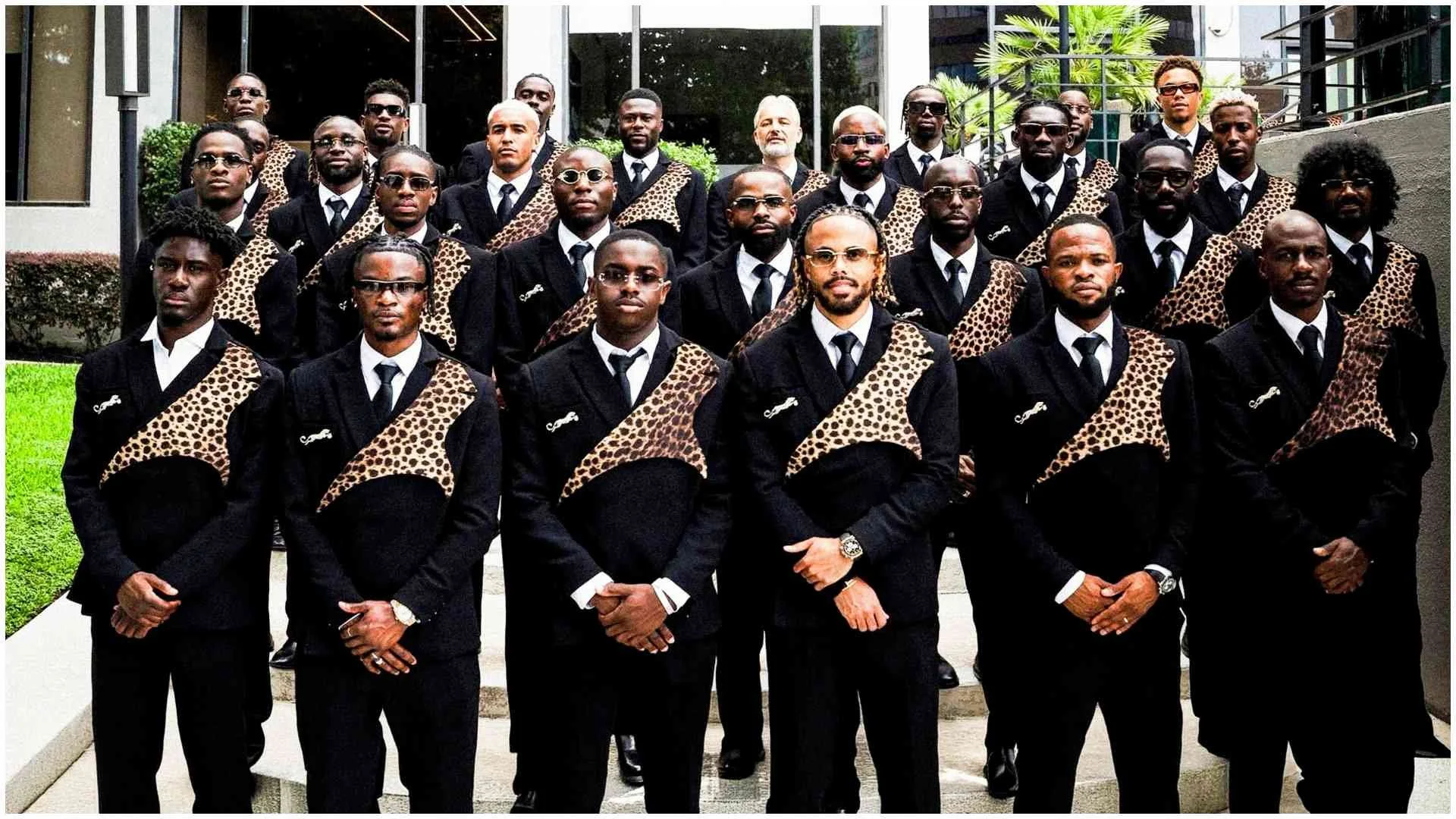
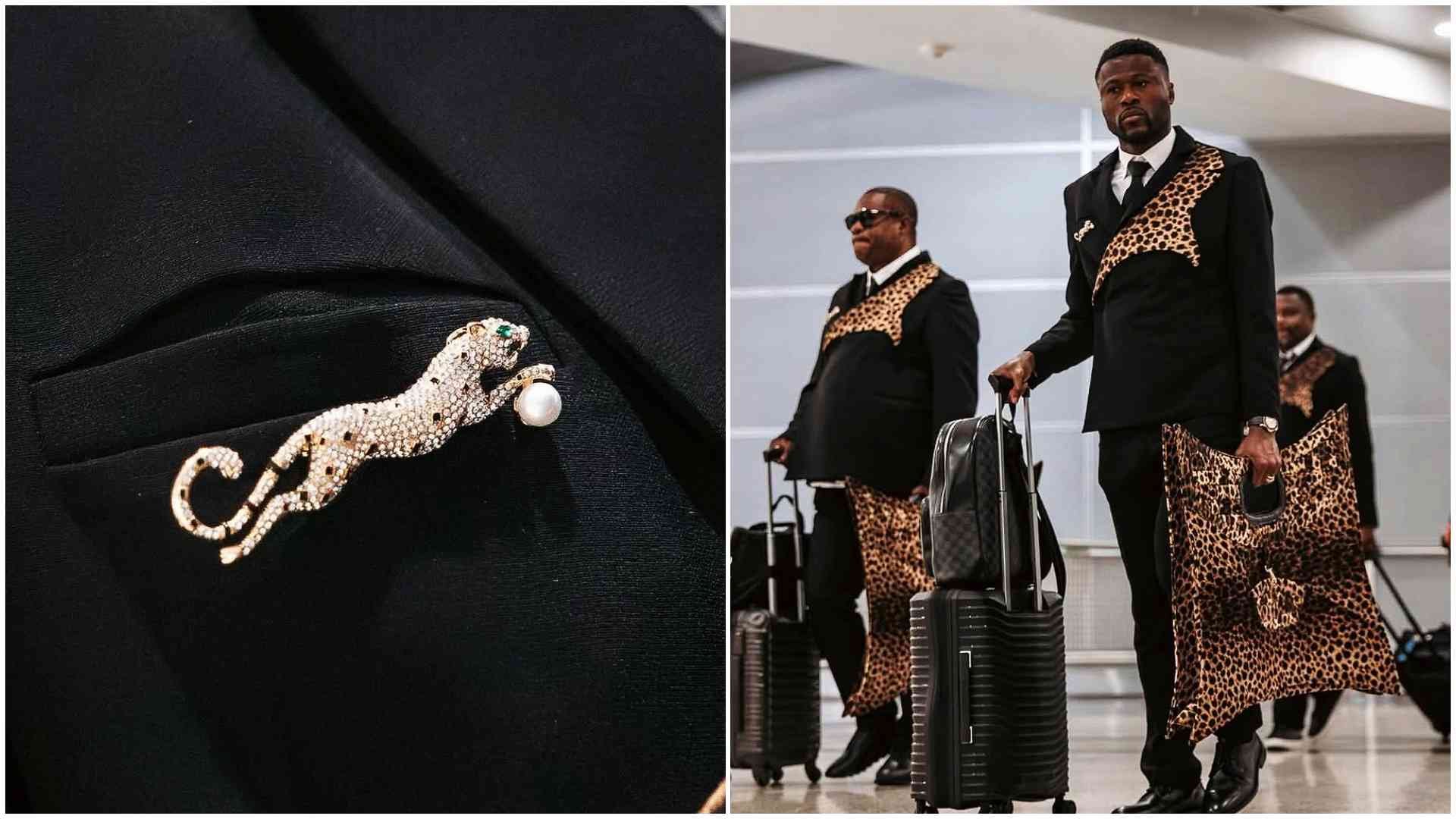
Les Léopards showed up in beautiful suits with leopard details, matching bags (need), and diamond leopard lapel pins. I die. Designed by Alvin Junior Mak, who was born in the DRC and raised in Paris, the look was sharp, elegant, and directly connected to Congolese style and pride.
They understood the assignment. The leopard motif, the tailoring, the confidence of it all. Perfection. Presence. My favorite overall.
Côte d’Ivoire
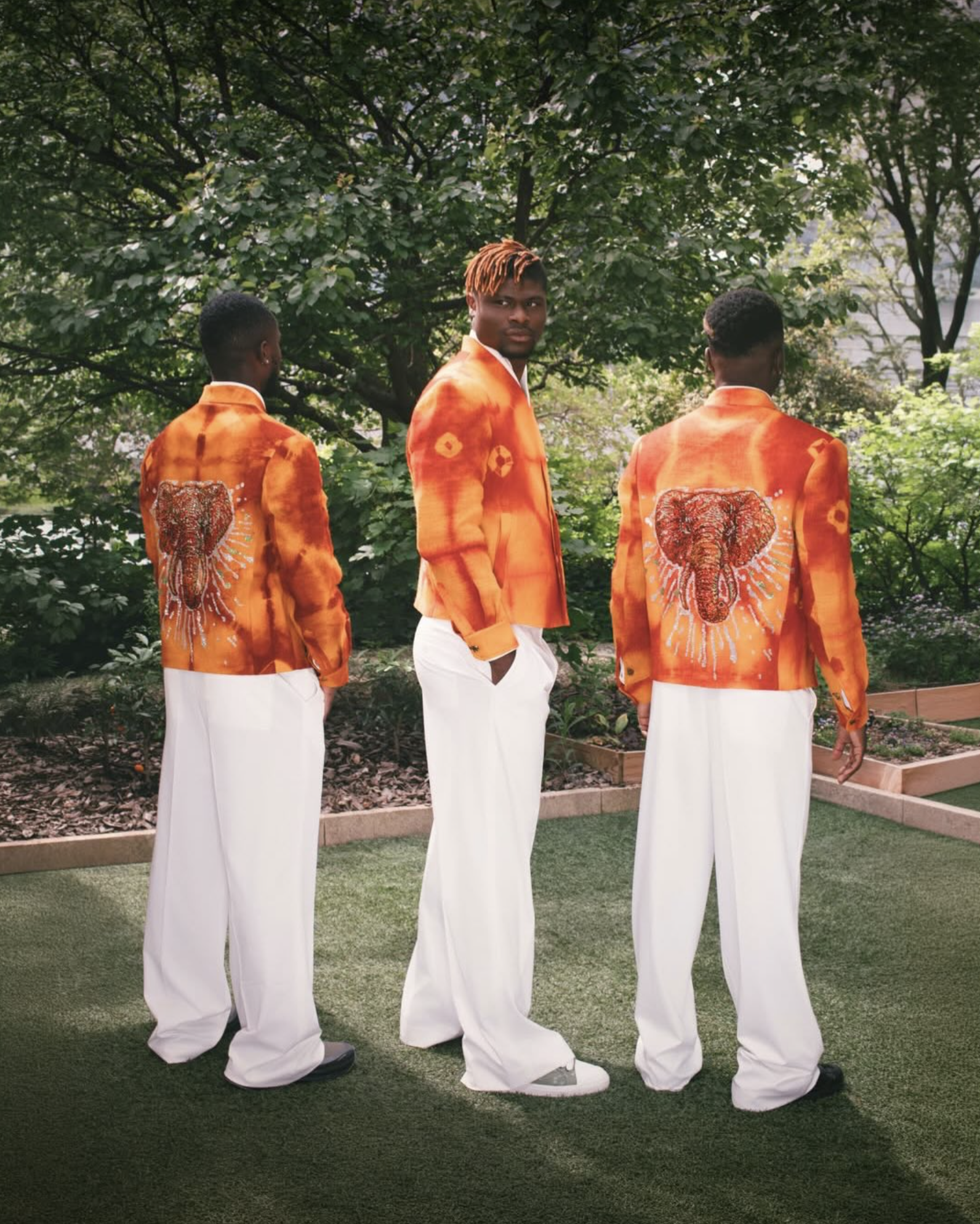
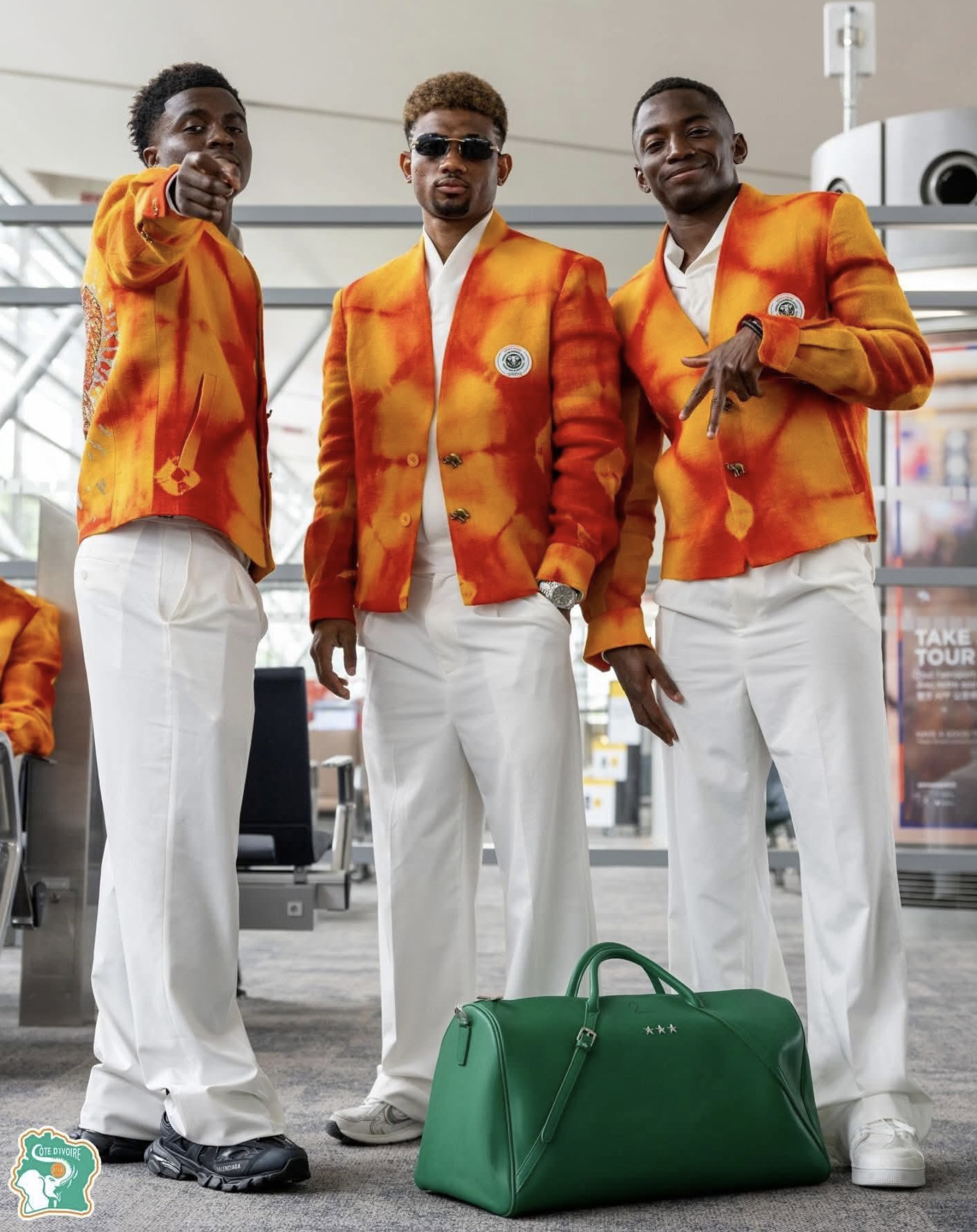
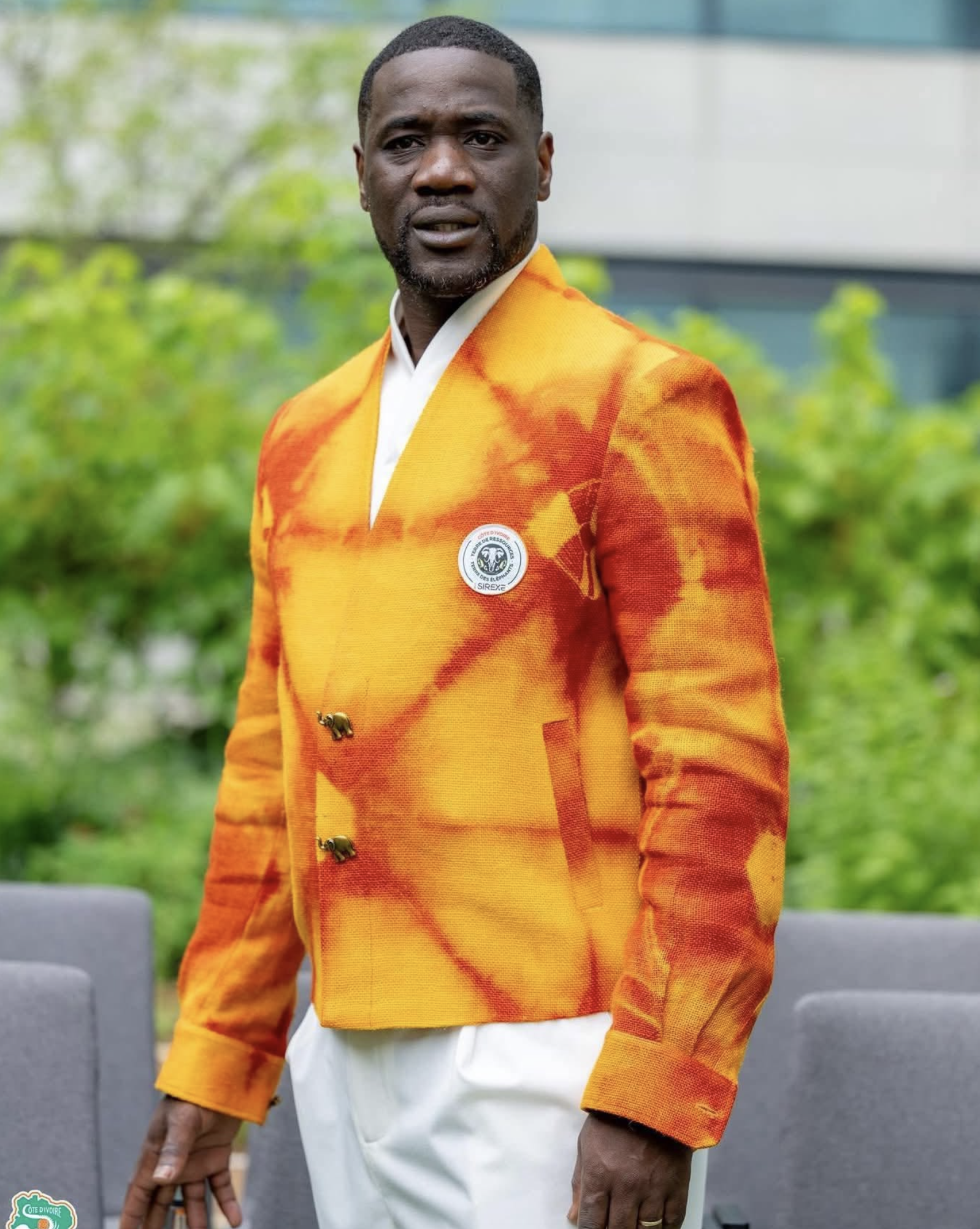
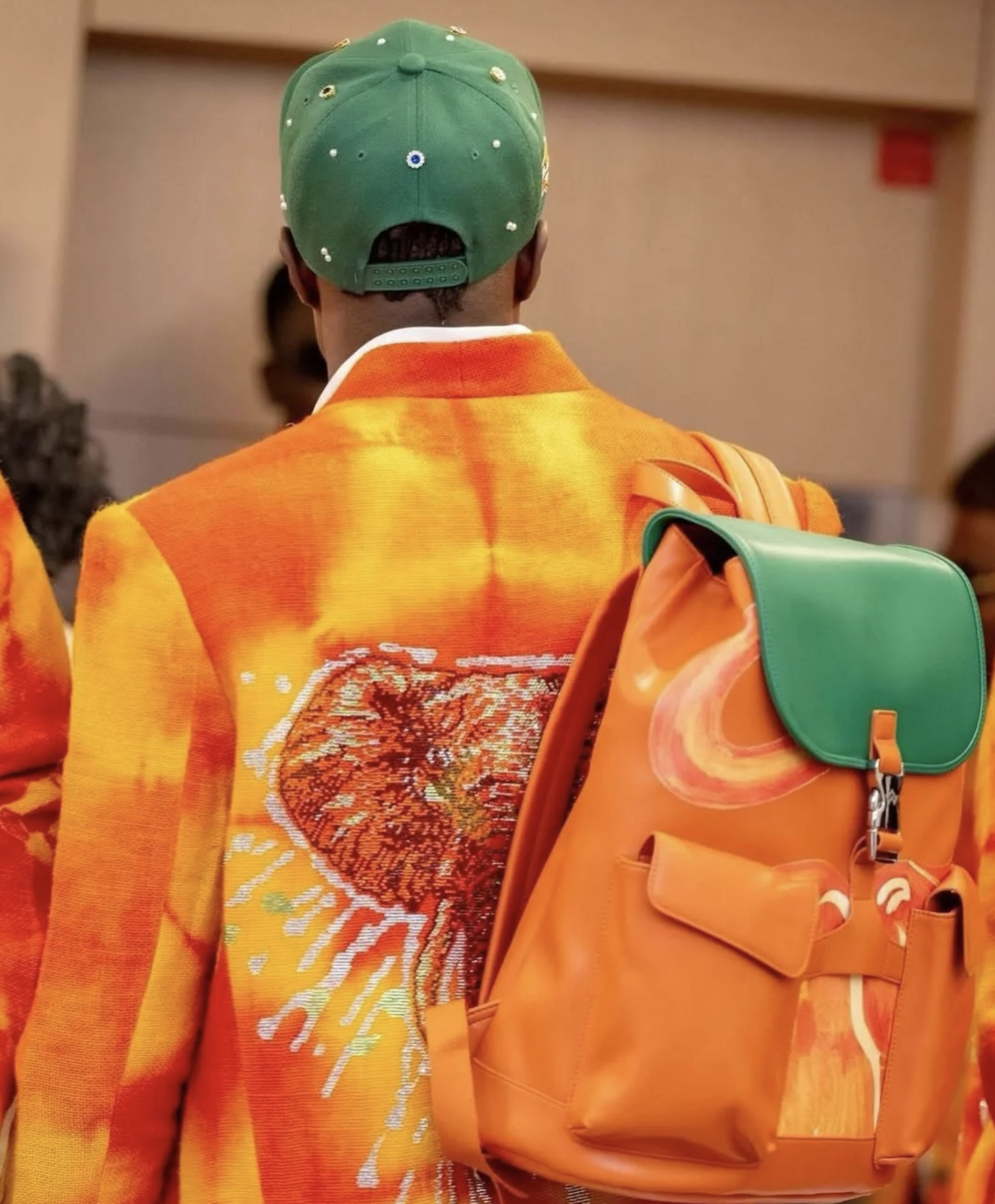
The Elephants arrived in orange, green, and white, like their flag. The duffel, the backpack, the texture of the jackets, the tailored collars, and the elephant detail on the back of the jacket were all immaculate.
Styled by Ibrahim Fernandez, the look was joyful and truly Ivorian. I love when national colors do not have to look like a souvenir T-shirt. They can be elevated and modern. I need one of those jackets…
Iran
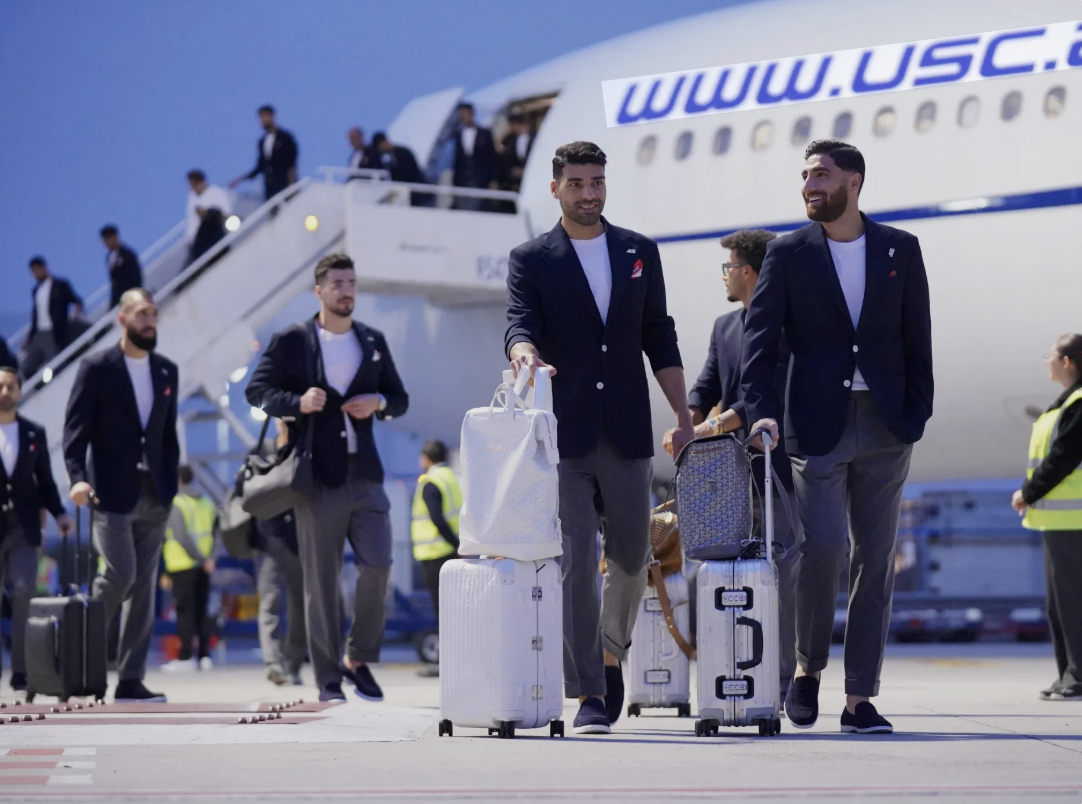
Iran arrived in Mexico for their matches in the United States, wearing suits by Bazzelli, an Iranian brand. So sophisticated and elegant.
Iran’s arrival also comes with a heavier context. This is a team representing its country in a World Cup hosted partly by the United States at a time of direct conflict between the two governments. Visa issues and travel restrictions have shaped where the team can stay and how it can move through the tournament. The players are carrying national pride in a moment when sport, politics, identity, and diaspora emotion are all wrapped up together.
Saudi Arabia
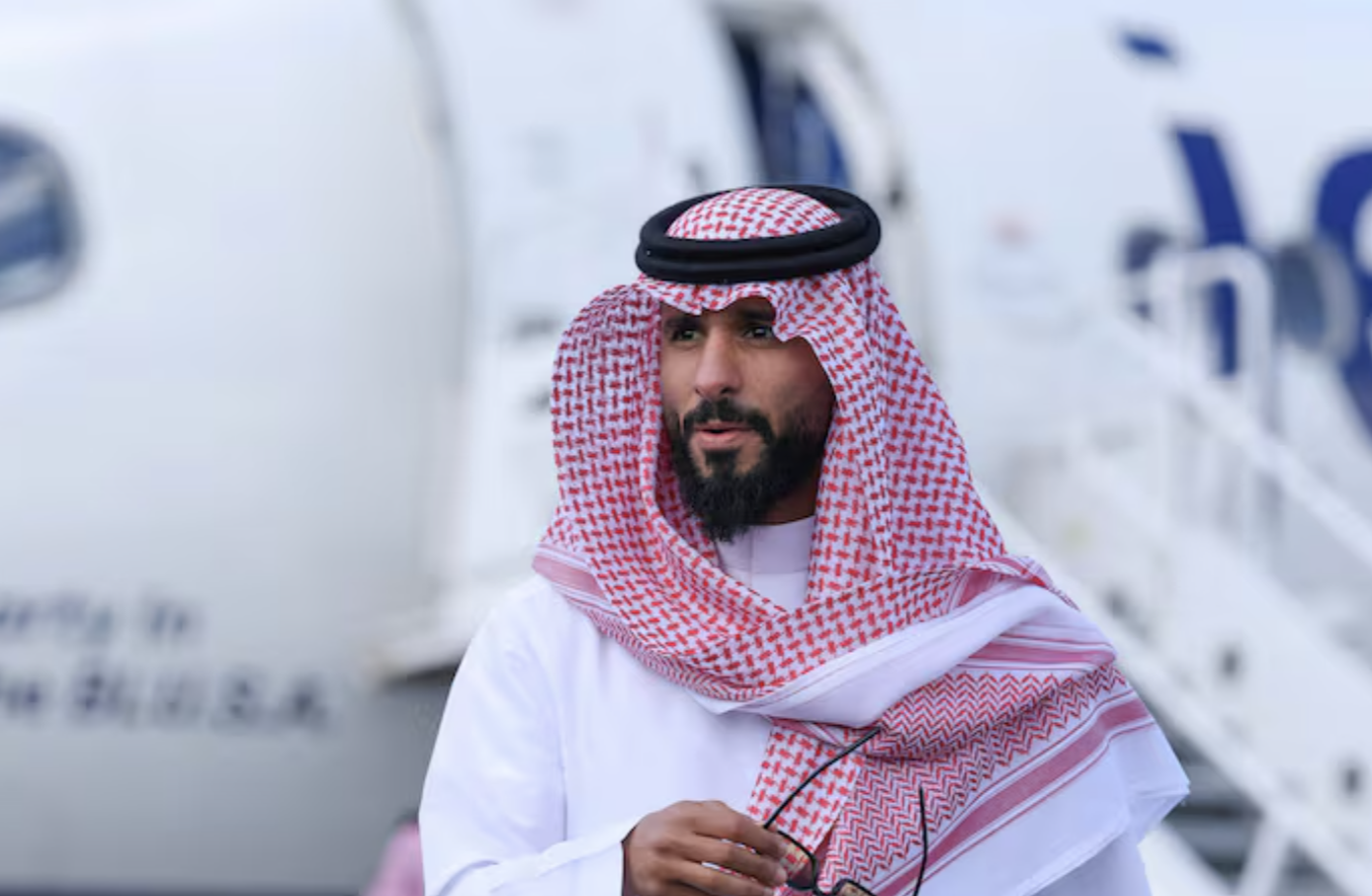
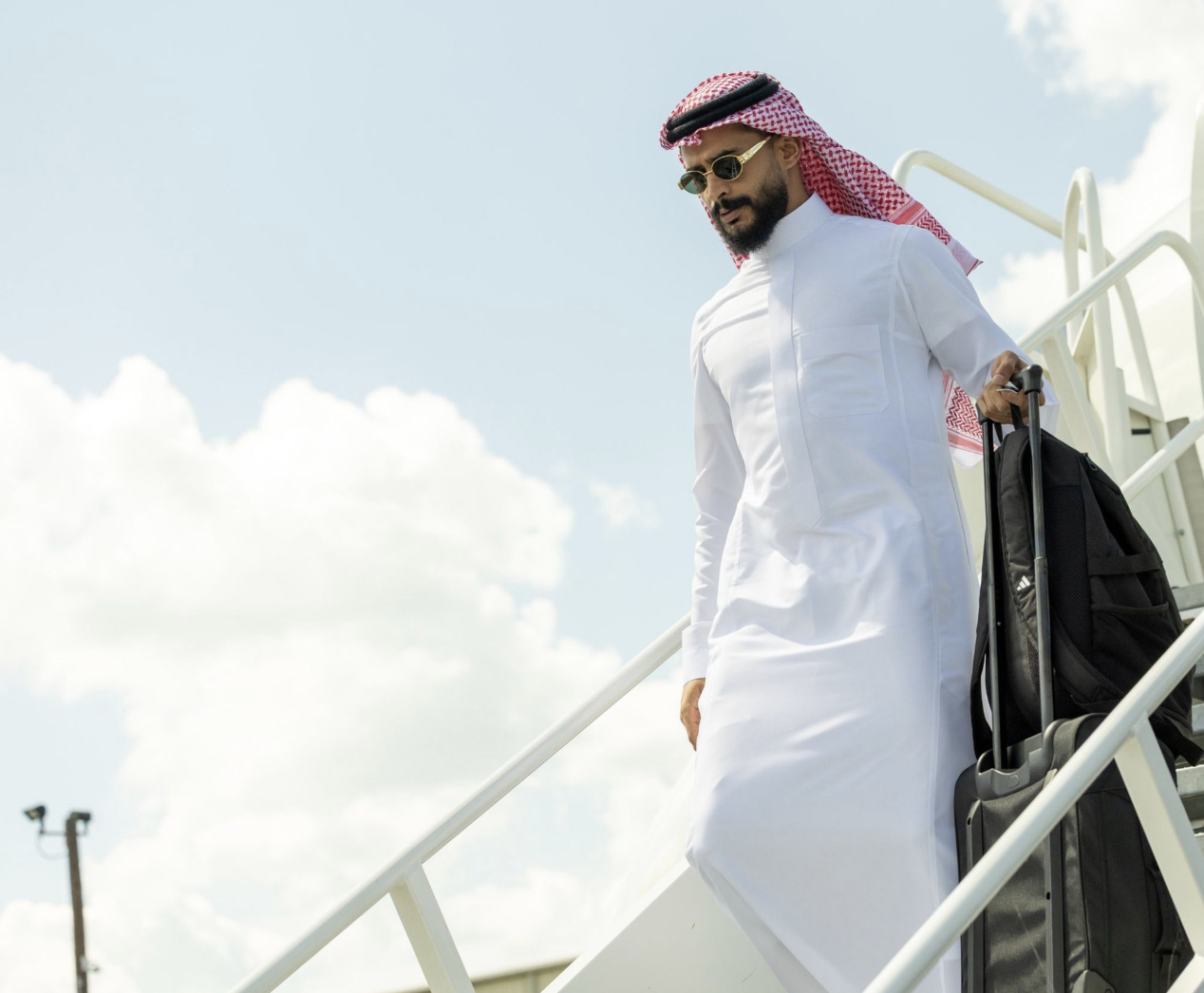
The Saudi team arrived in traditional white thobes and red-and-white shemaghs, secured with black agals. I love that they wore more traditional clothing to make their entrance.
This is exactly what makes the World Cup so fascinating. Every team has the opportunity to decide how it wants to be seen. Saudi Arabia’s arrival was formal and unmistakably Saudi.
Spain
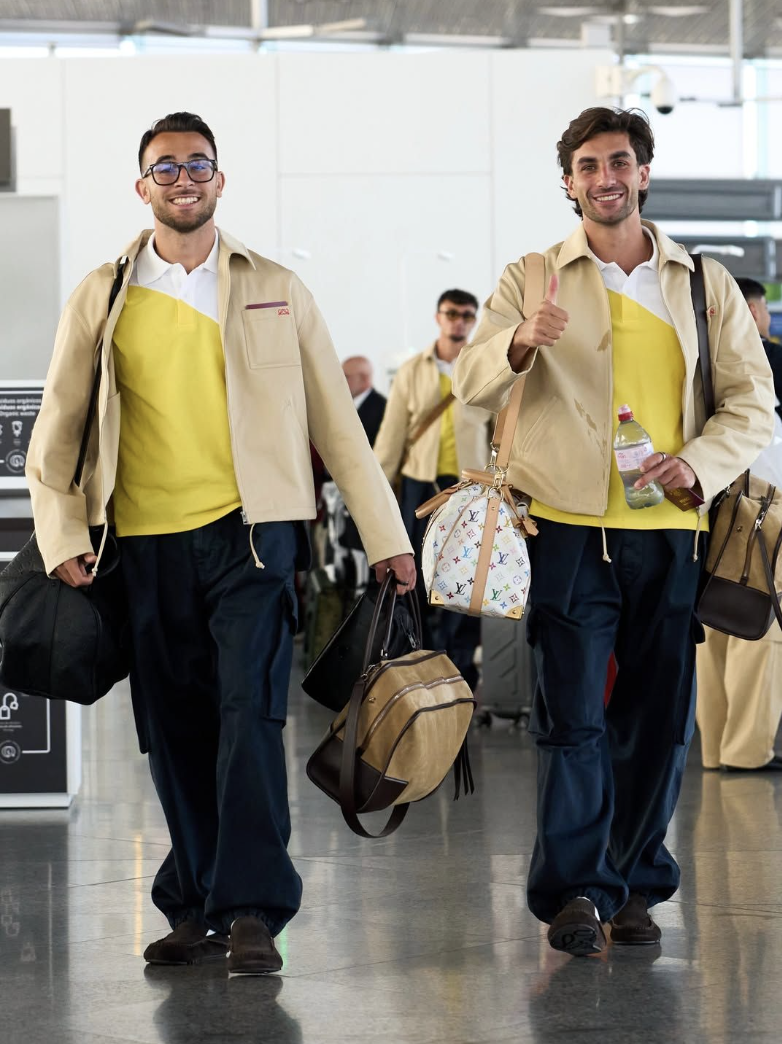
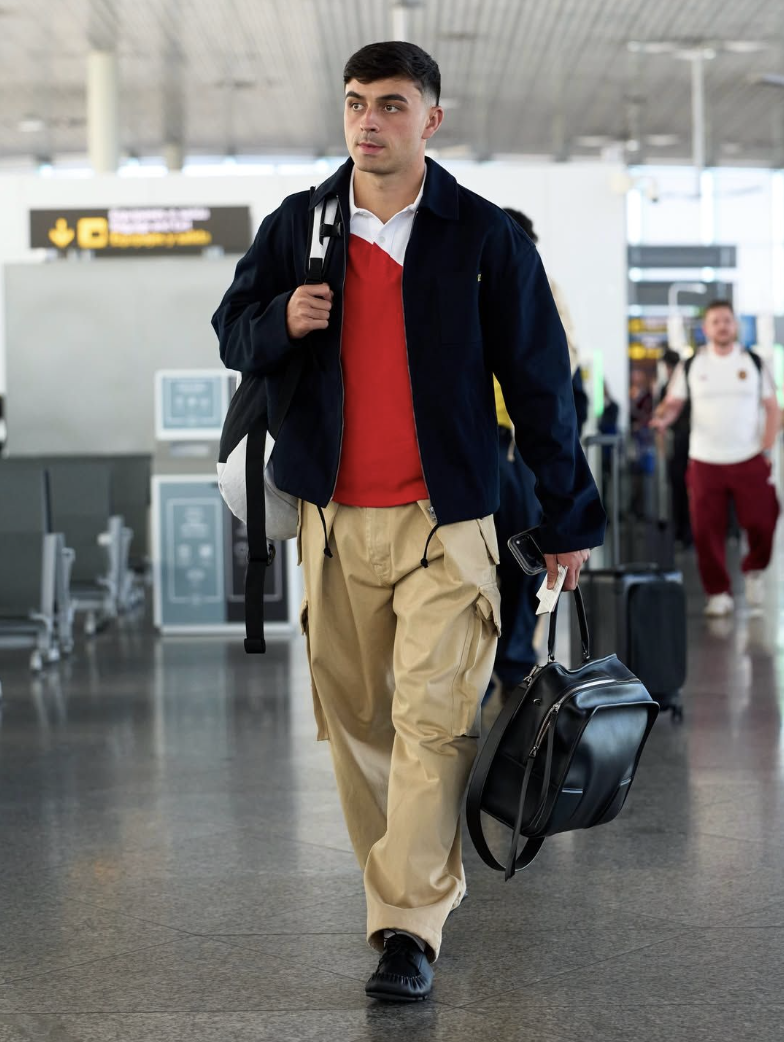
Spain arrived in Loewe. Of course.
I love how comfortable and stylish they looked. Relaxed, modern, put together, and still very Spanish. I'd love to see a man walk in wearing that yellow fit. I’ve never loved yellow clothing, but I’ll make an exception here. I’ll also forgive the Murakami Louis Vuitton.
Senegal
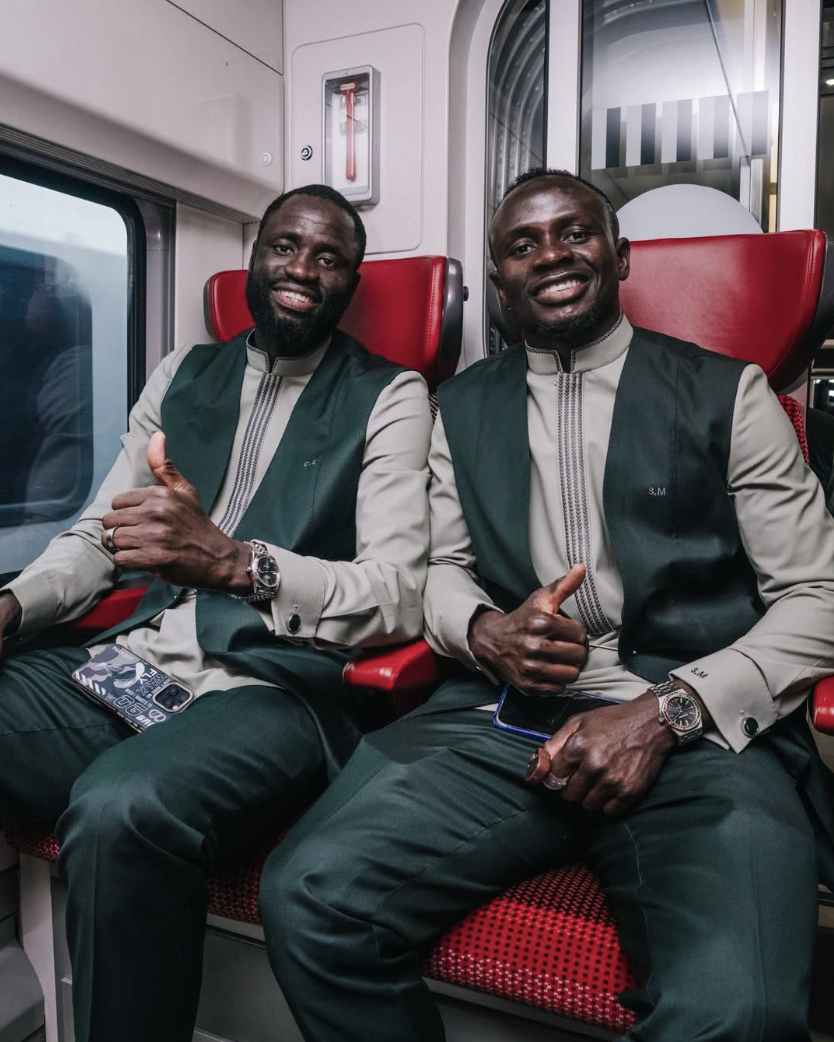
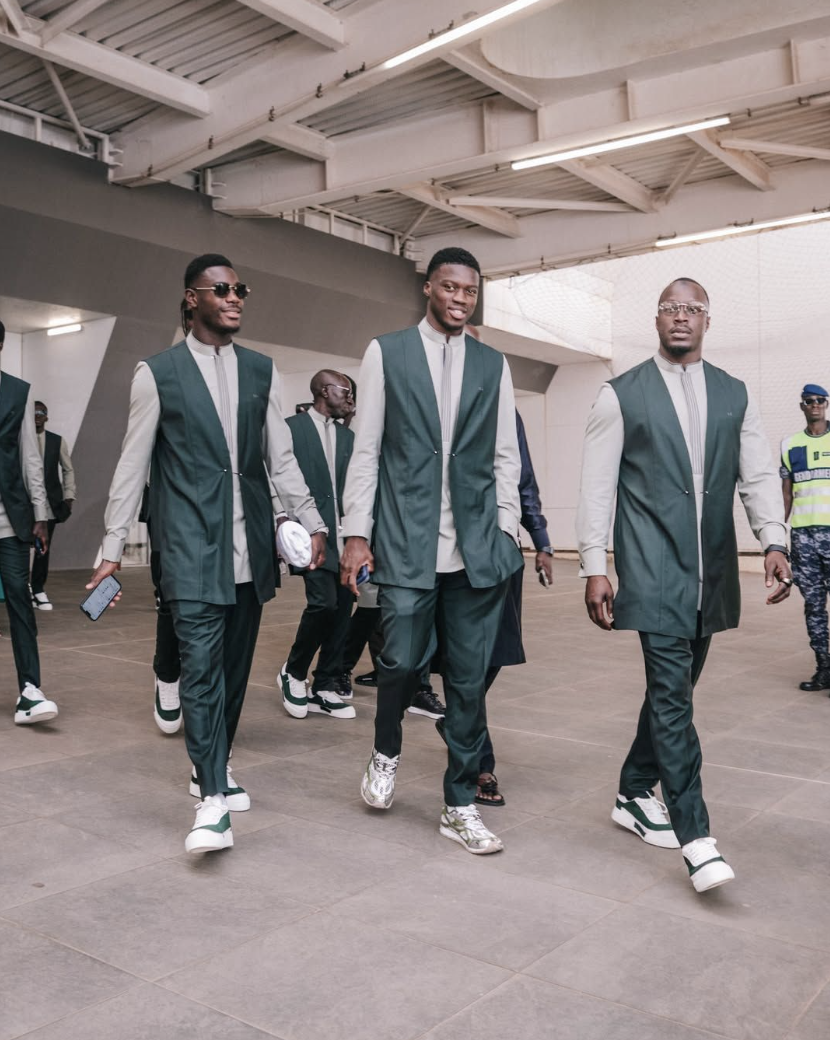
The Lions of Teranga showed up in beautiful green suits that were understated and muted but still had a distinct local feel. Dakar-based Maison Xakeb designed the team’s arrival outfits.
Senegal’s had confidence, polish, and elegance. The tailoring, the green, the collar, the local design connection - love!
Mexico
Since Mexico is hosting, they had a fantastic opening ceremony but sadly no official arrival fashion show. But in heartwarming news, this young fan of El Tri, Santi, showed up at school to cheer on Team Mexico in a red, green, and white Christmas sweater. His story went viral, and Santiago Giménez even called to thank him for his support. Melting.
Both Fashion and Sports Matter
It would be easy to treat this as just fashion, and I certainly enjoy it on that level. I am not above admiring a good bag, a good jacket, or a man in a well-cut suit. I’ll not pretend to be more evolved than I am.
These arrivals are a form of cultural diplomacy, though. They are visual introductions. They invite people to ask questions: What does that pattern mean? Who designed that? Why those colors? What is the history behind that garment? Where is that designer based? Curiosity is important.
The World Cup brings together people who may know very little about one another’s countries. Many viewers will not know the language, the politics, the colonial history, the religious diversity, the regional tensions, the music, the literature, or the food of the countries they are watching. But they will notice the fashion. They will notice the pride. They will notice how loved these players are, and that is just the beginning.
Sports do not solve everything, obviously. If they did, the world would be a much better place. However, sports can create openings and soften distance. They can make people visible to one another in ways that news media and political statements rarely do.
THIS is what I love about the World Cup. Before the matches even begin, each team arrives carrying culture, memory, expectation, and pride. And this year, many of them are also carrying excellent bags.