Twenty-Five Years
Below is a reflection from Beijing Foreign Studies University, written on a picnic table I sat on twenty-five years ago, in sight of my dormitory. 好久不见.
It has been twenty-five years since I last sat here.
Embarrassingly, I do not remember exactly how everything looked. Memory is strange that way. Walking across campus today felt mechanical, as if my body remembered the route even when my mind did not. I don’t really have many photos of campus, either. Film was expensive to develop so why would I have wasted it on some boring campus buildings? Now I wish I had that comparison.
When I studied here in 2001, my dorm room window looked out over this courtyard. I remember watching, through my laundry drying outside my window, students cross it at all hours of the day, bicycles weaving through the foot traffic, voices carrying across campus late into the night. At the time it all felt temporary, just a semester abroad that would eventually become a story I told about my college years.
The security guard at the dormitory entrance was kind enough to let me kan yi xia the lobby after I told him, in Chinese, that I lived here in 2001. He smiled politely at the nostalgia of a lao wai returning to a place that, for him, was simply a check-in table on a Tuesday.
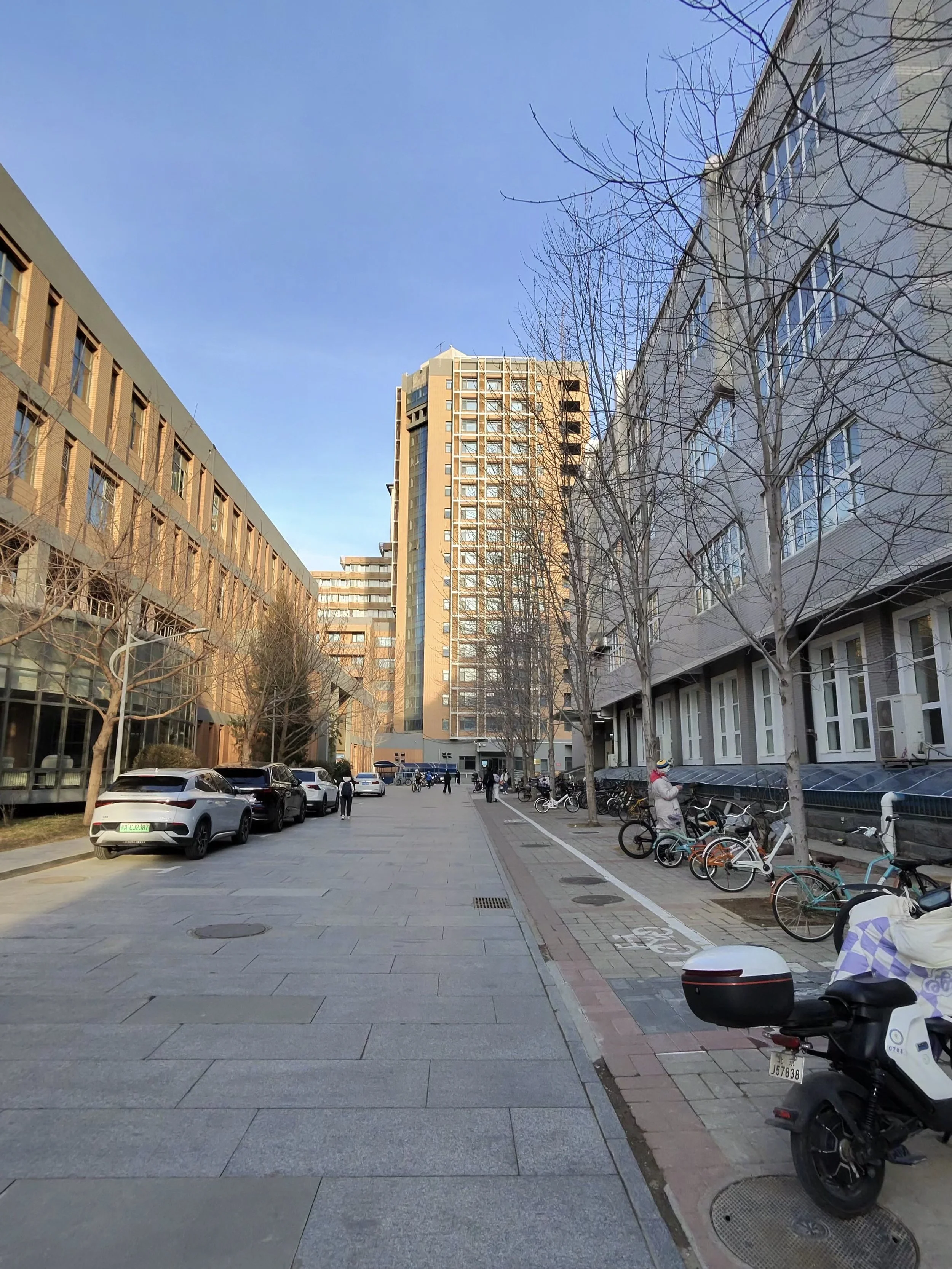
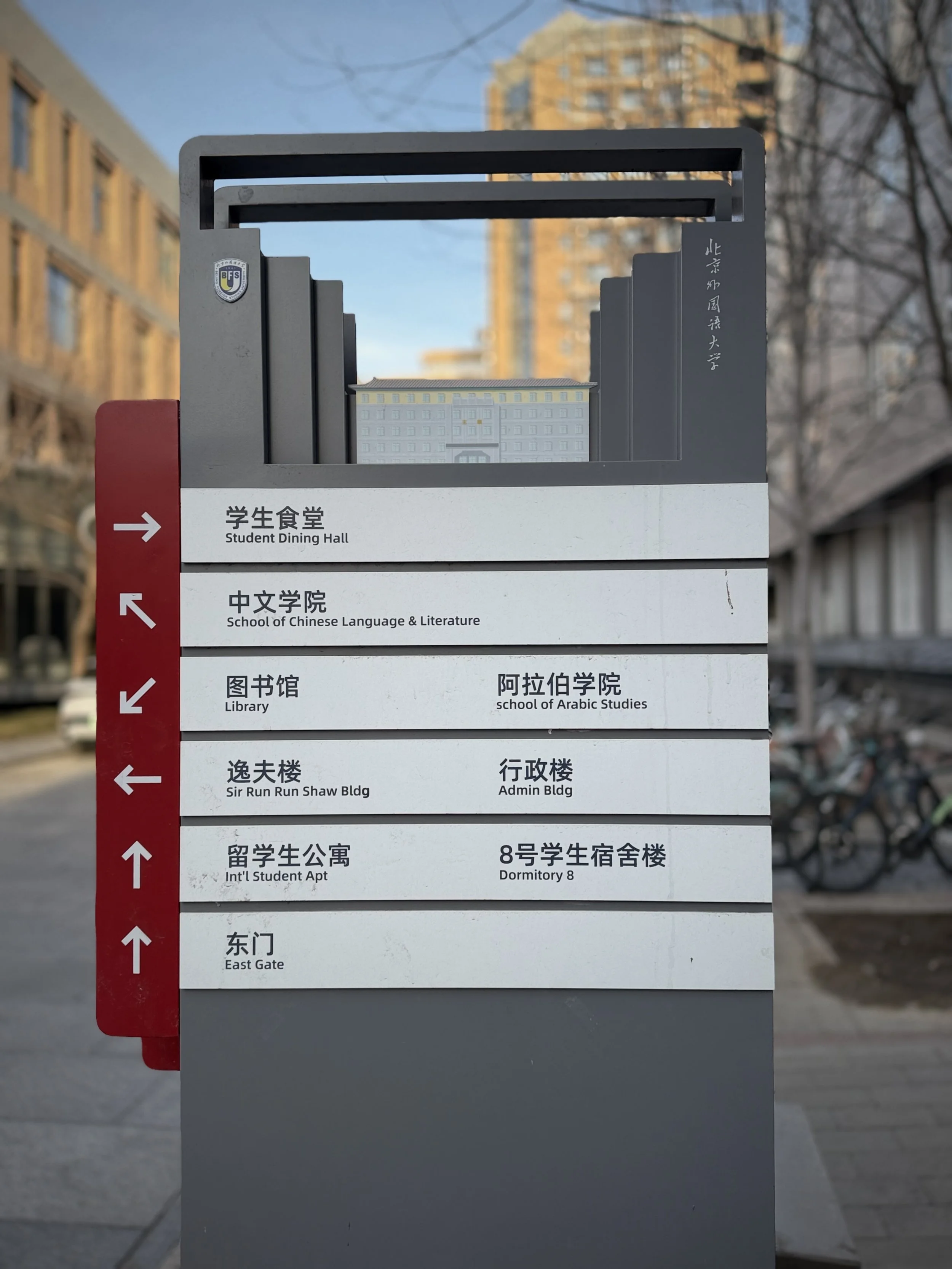
It is different.
Behind the dormitory there used to be a wall. We had a system for getting around it.
We would climb an electric pole, scale the wall, and jump down on the other side. It shaved fifteen minutes off the walk to our favorite jiaozi shop because the East Gate closed earlier than the Main Gate. Five minutes to climb, scale, and jump versus twenty minutes to walk out the gate and around. The dumplings were that good.
Today the wall is gone. There is now a temporary mail facility where the bricks once stood. No pole to climb. No questionable student decisions in pursuit of dumplings. No sign of the dumpling shop, though there are so many restaurant options and coffee shops now. I don’t remember drinking a single cup of coffee in China in spring 2001, much less a latte.
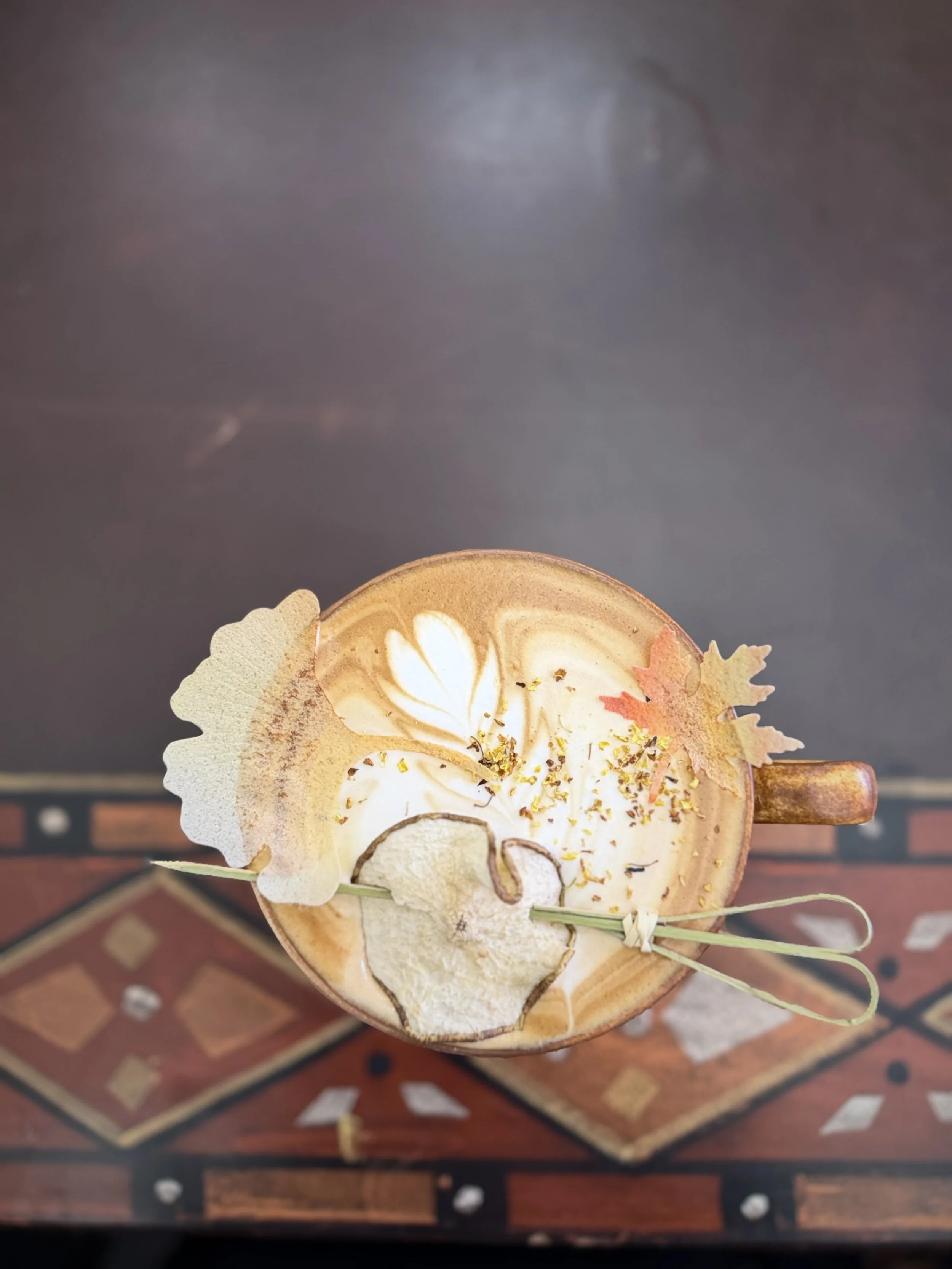
Osmanthus Latte at Shijia Hutong Museum
Next to me is the building where we filled our thermoses with hot water. I would fill it up, wait for it to cool to room temperature, and drink it later. Hydration culture had not yet arrived. No stainless steel bottles. No tracking apps.
Yanjing pijiu, however, we drank plenty of. Two kuai a bottle felt like a steal for a college student.
Somewhere nearby was the cafeteria that served the best kung pao chicken I had ever tasted. A huge bowl for three kuai. I cannot remember exactly where it stood, which feels like a small betrayal of the place that fed us lunch for a semester.
In 2001, studying in China felt like stepping directly into the future of globalization.
I did not have a phone. Technically that is not entirely true. I owned a Nokia that lived, switched off, at the bottom of my backpack for emergencies. It certainly did not travel with me to China.
Now everything happens seamlessly through a phone. Ordering food. Paying for taxis. Entering buildings. Sending tips to street musicians. Even the erhu player on the street had WeChat and Alipay QR codes for tips. I was in the middle of sending one when a jingcha appeared and moved him right along.
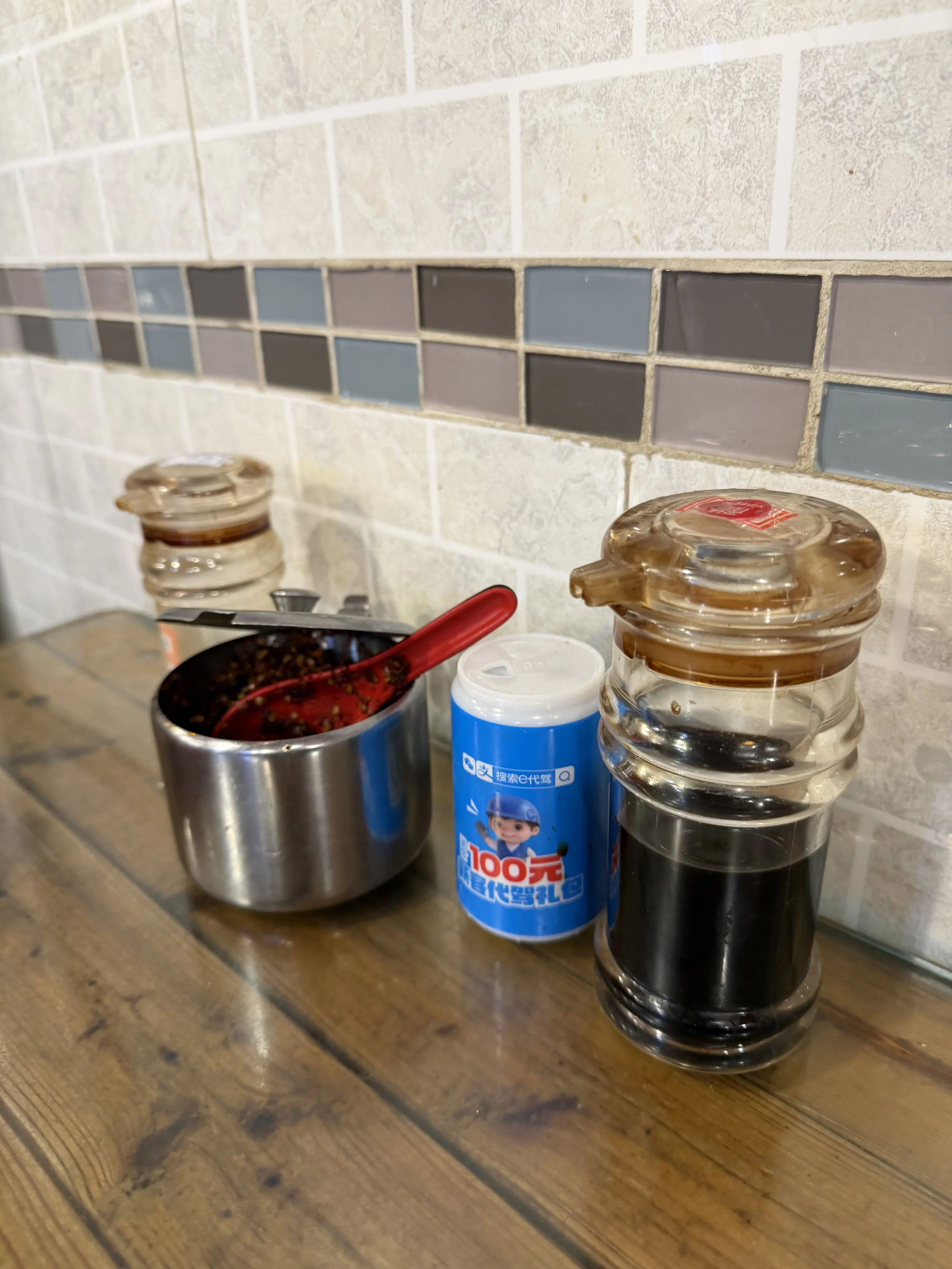
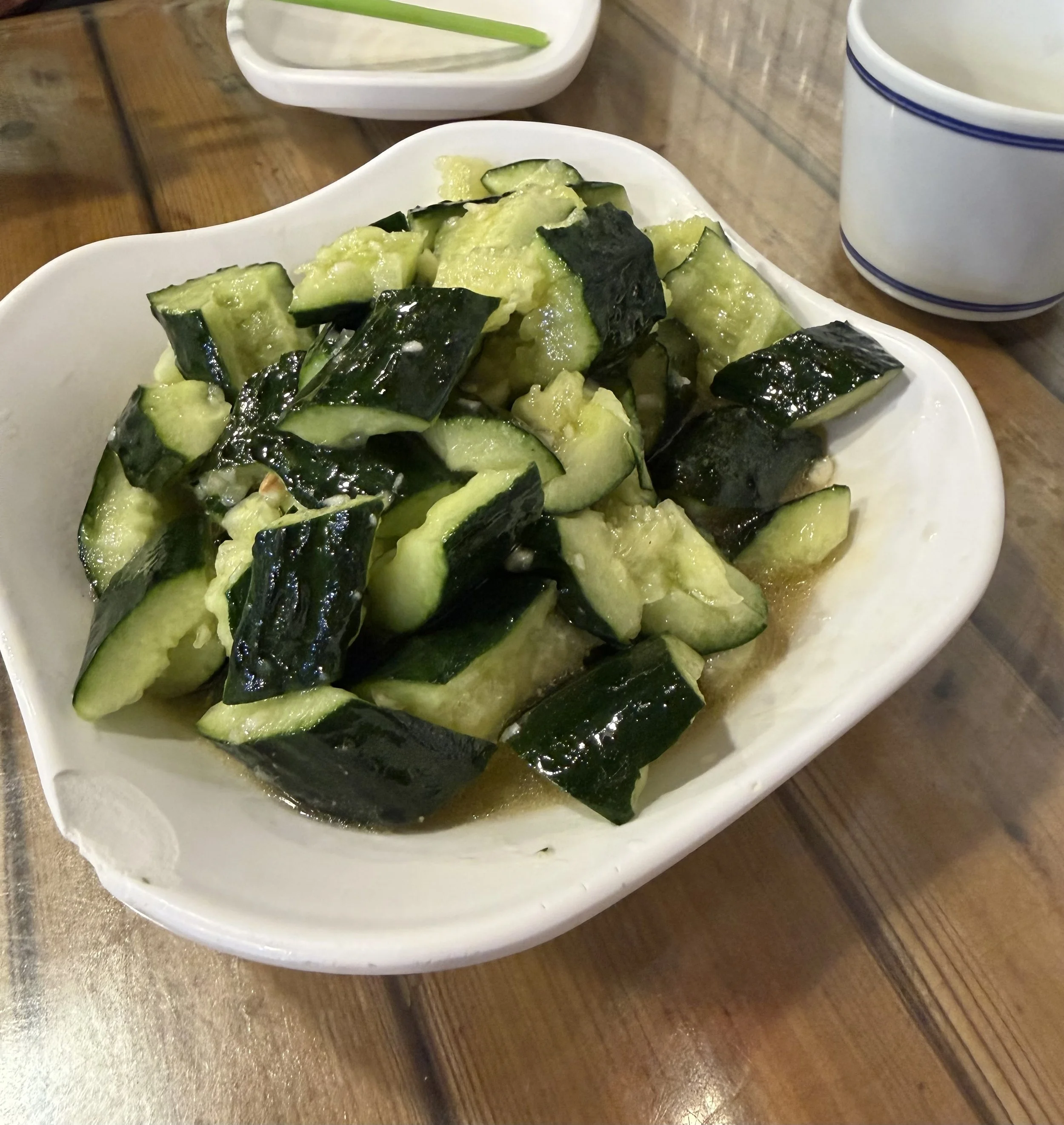
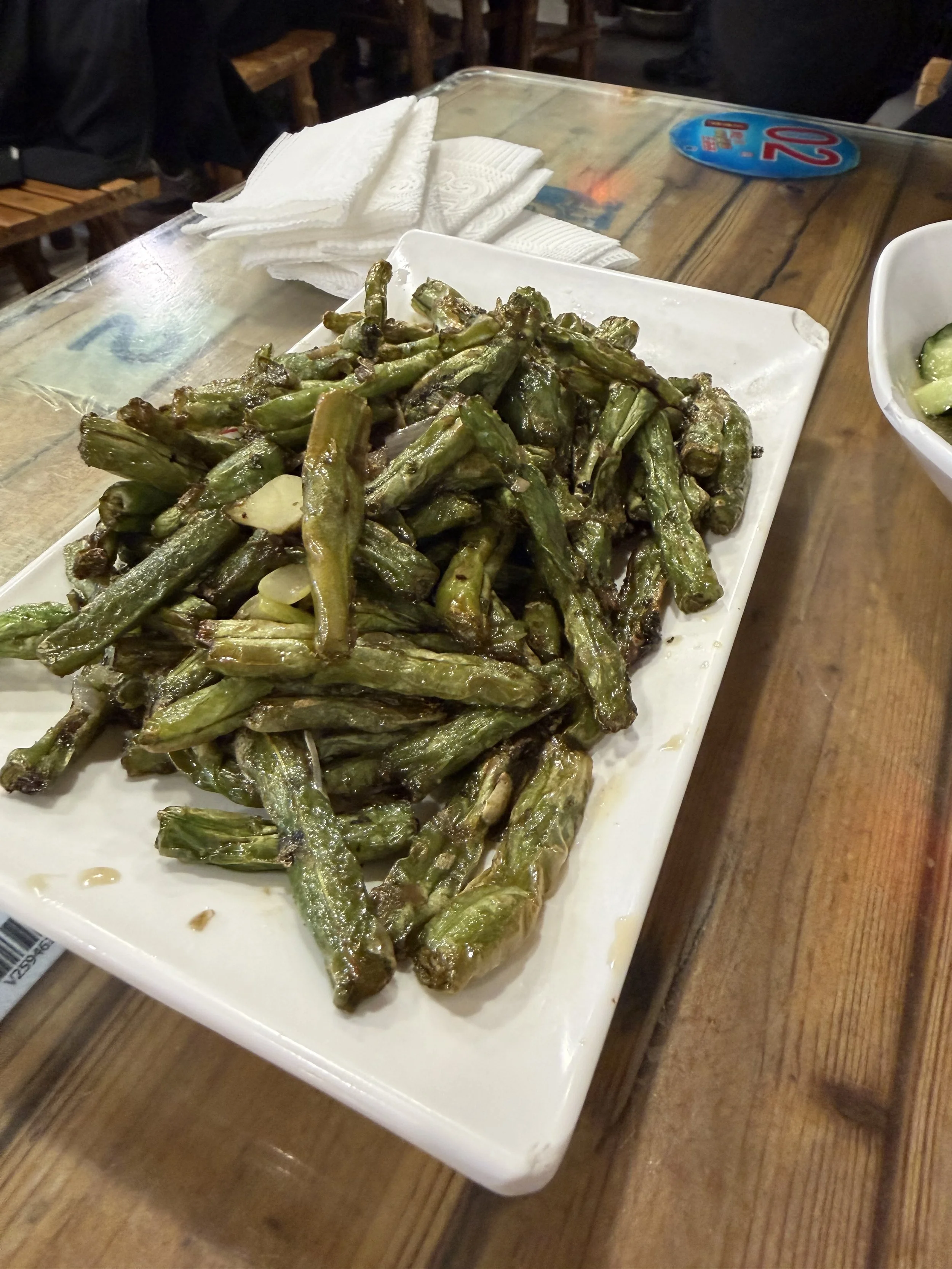
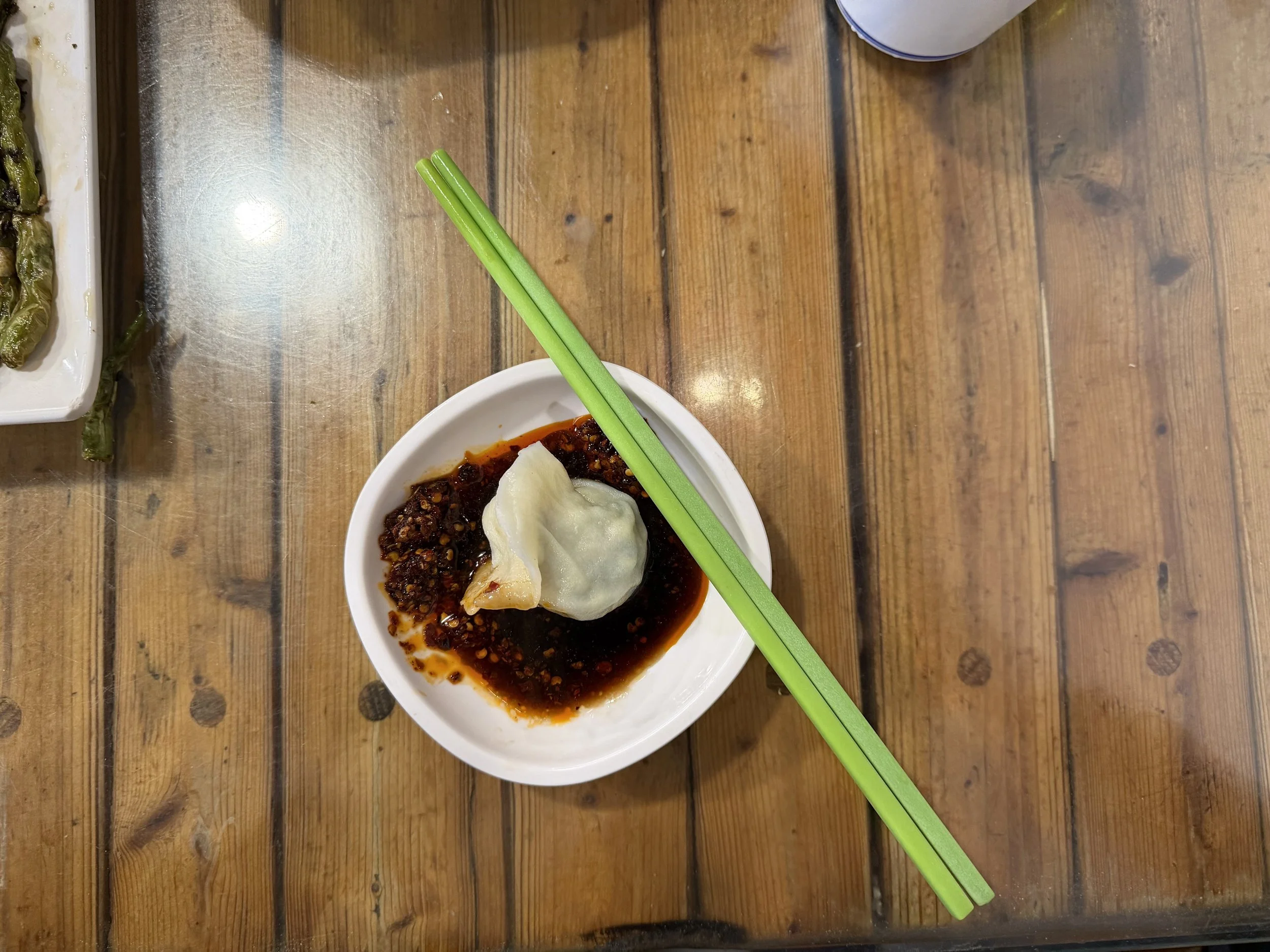
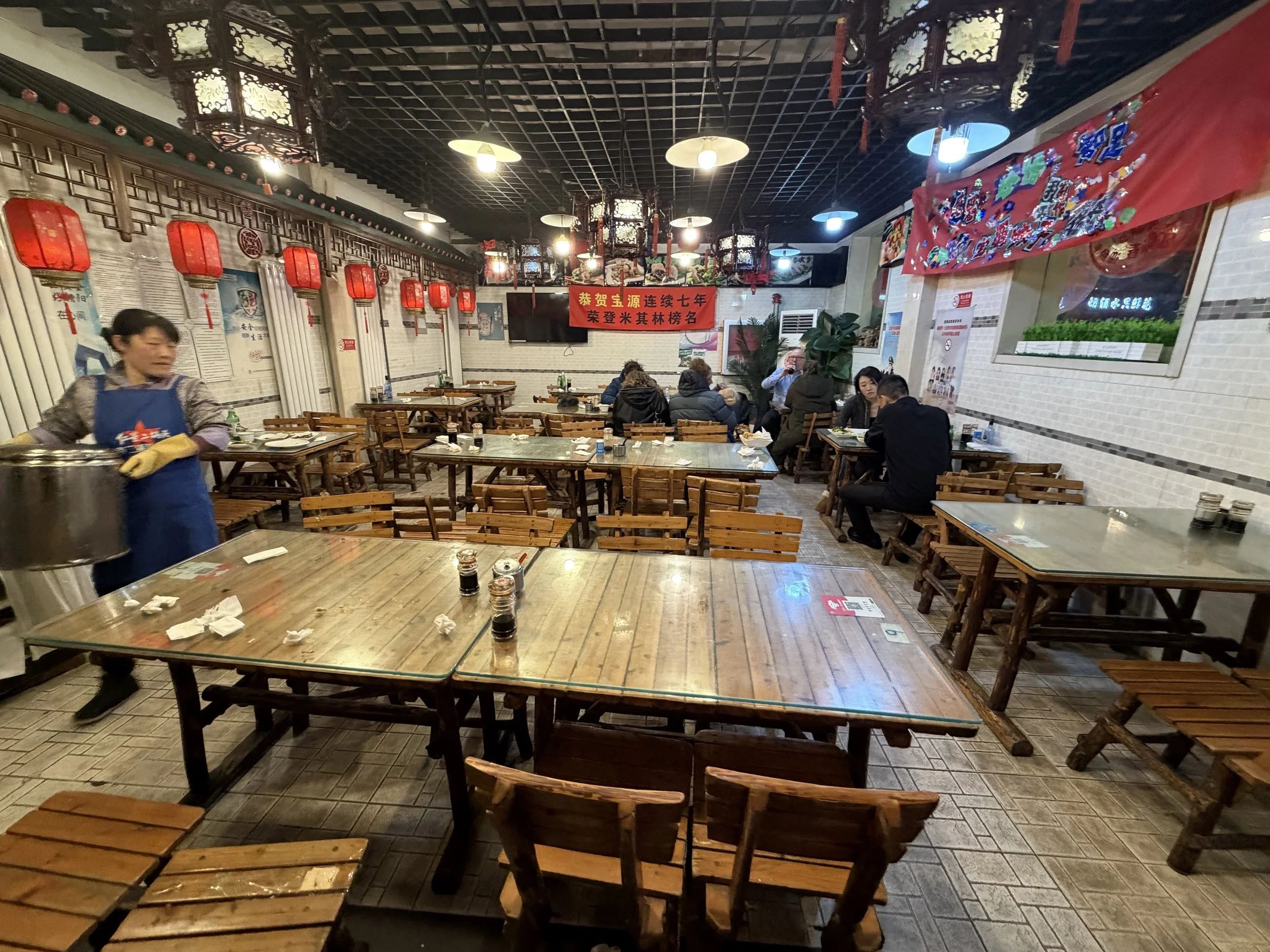
Some things about me have changed too. I am now vegetarian (again), which means many of the dishes I loved are out of reach, by choice. Rousi and yang rou chuanr remain fond memories. Fortunately Beijing, like much of the world, has evolved along with its visitors. People know what a vegetarian is, even if they just direct you to the cai area of the menu. For the record, Baoyuan Dumpling Restaurant lives up to its TripAdvisor ratings and has excellent vegetarian options.
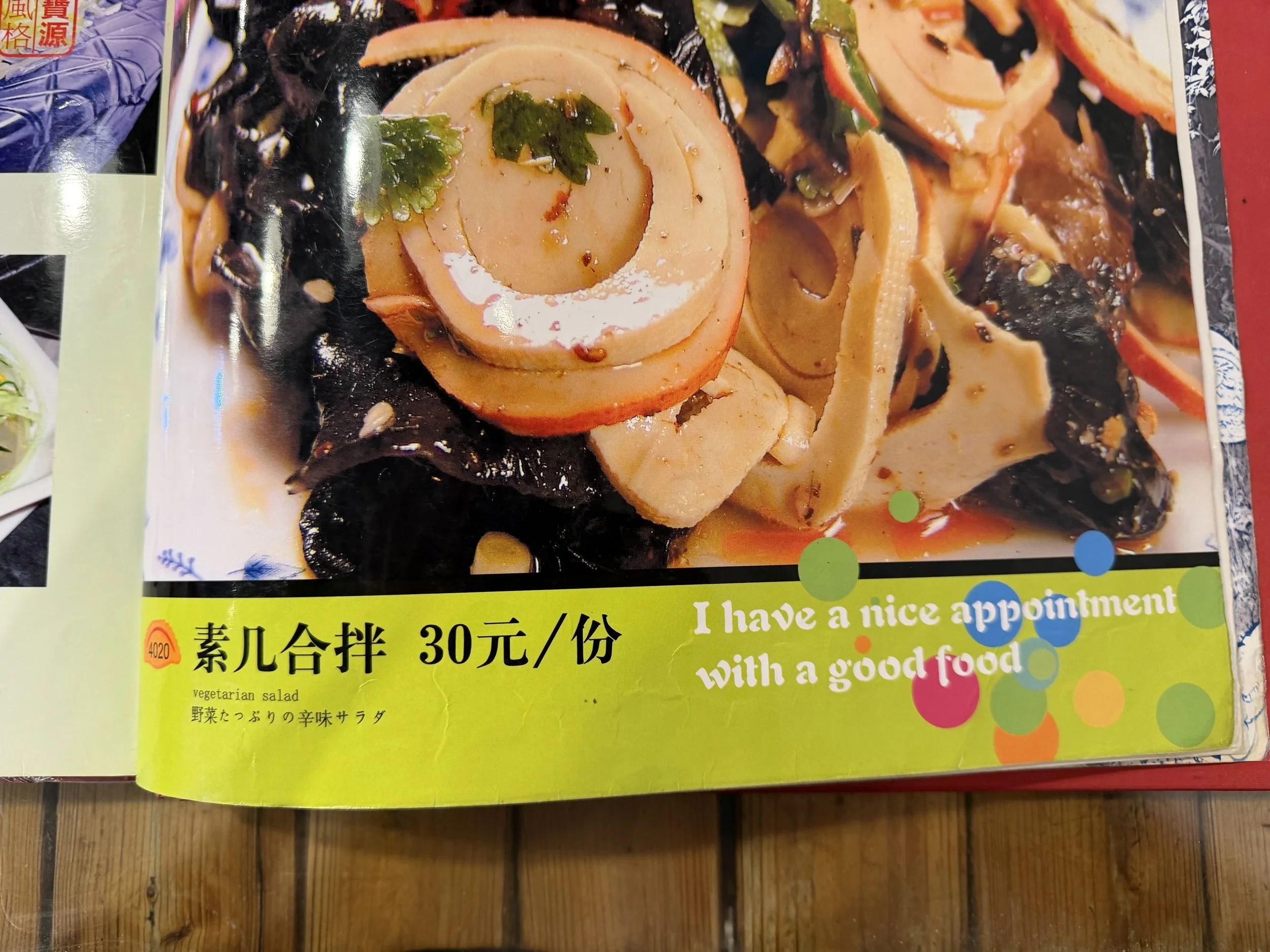
Sightseeing was so much fun, though renting a bike was impossible. Using the WeChat QR code was easy, but having no registration ID, I couldn’t proceed. A visit to Tiananmen Square was thwarted by a gathering of the National People’s Congress at the Great Hall of the People. The square was closed except for visitors with appointments made a day in advance, through a QR code, of course.
Twenty-five years ago, the obstacles to navigating Beijing were linguistic and cultural. Now they are digital too.
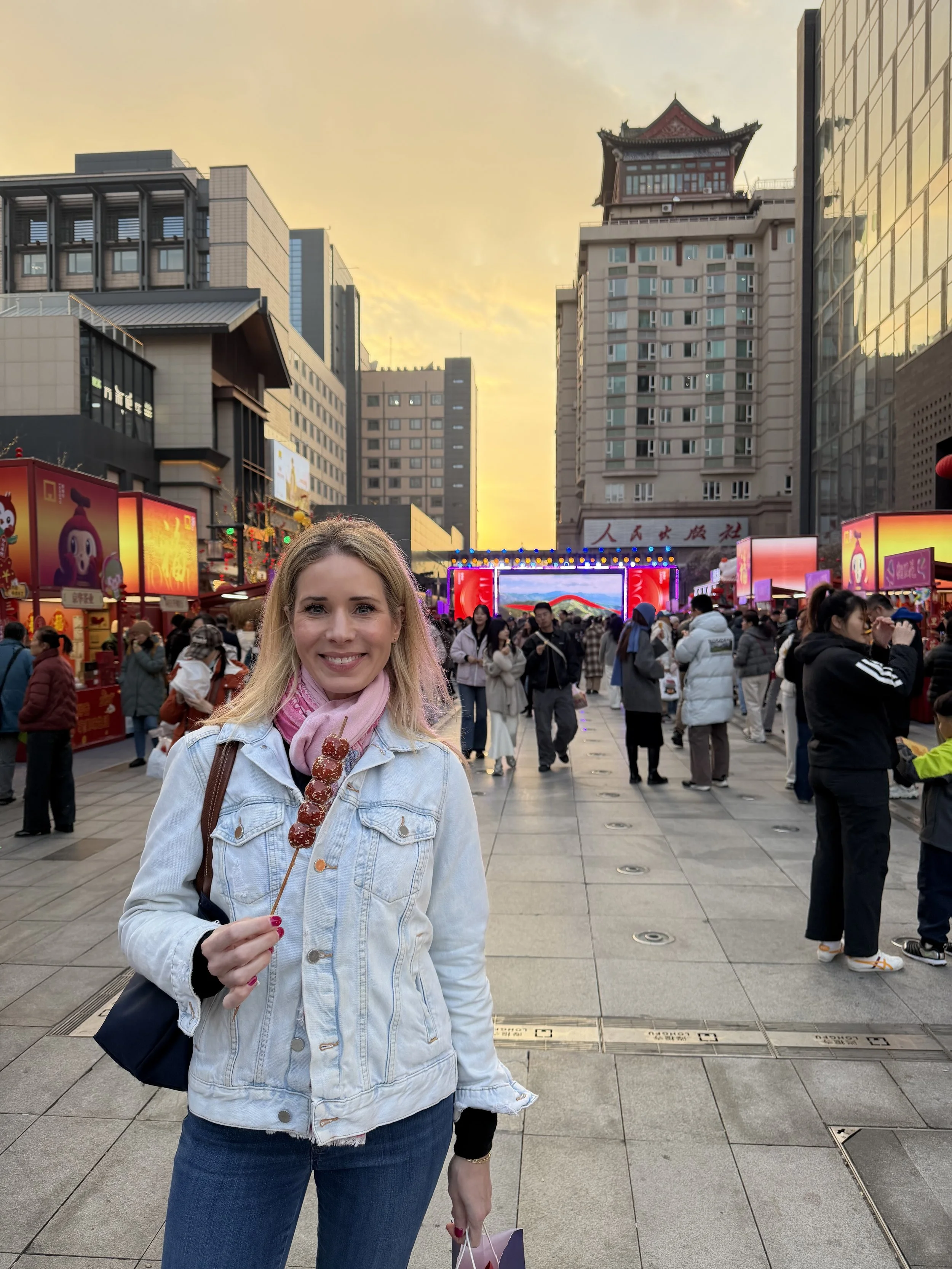
Tanghulu in Beijing
Over the past two decades, the relationship between the United States and China has become more complicated, sometimes strained, and often misunderstood on both sides. Student mobility, research collaboration, and academic exchange now exist within a far more scrutinized geopolitical environment than when I first arrived here as a student.
Yet sitting here, it is hard not to think about how many thousands of students from both countries have had experiences like mine. Those individual moments of curiosity and discovery rarely make headlines, but they build understanding in ways that policy alone cannot.
When I first chose to study Chinese, my father encouraged it. “China is the future,” he told me. At the time it sounded like the kind of advice parents give when they are trying to help their children make practical decisions about the world (which is also why I went to law school).
Earlier this week, during a program site visit, I heard nearly the same words again, this time from American students studying here. They spoke about technology, global trade, and the opportunities they believe China will hold in the decades ahead.
Twenty-five years later, the sentence still echoes. I heard it from my father first. Then from students who sound very much like the one I used to be.
Sitting here now, I realize that study abroad does something strange and beautiful to your sense of time. A place becomes part of you, even when decades pass in between visits.
The China I first encountered as a student has transformed in ways I could never have imagined, and so have I. Yet sitting on this same campus, within sight of the dormitory where a younger version of me once lived, I can almost picture her walking across the courtyard with a thermos in one hand and a Chinese textbook in the other, still trying to understand the world she had stepped into.
The most important part of international education has never been the infrastructure or the policy. It is the way a place stays with you, gently shaping the person you become long after you leave. Until one day you return, sit on the same campus twenty-five years later, and realize the journey never really ended.
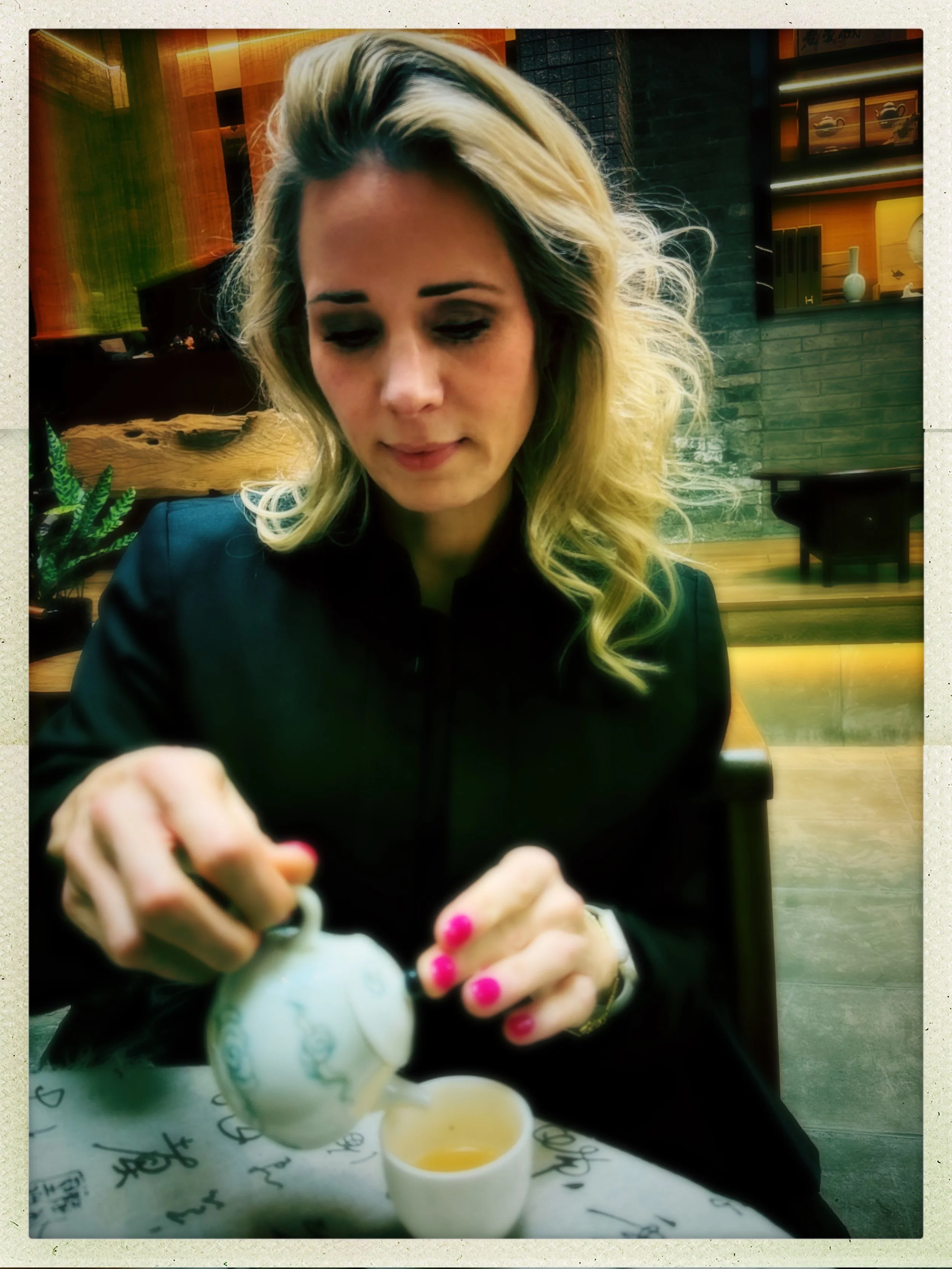
Tea at Shujian Tea and Book Courtyard
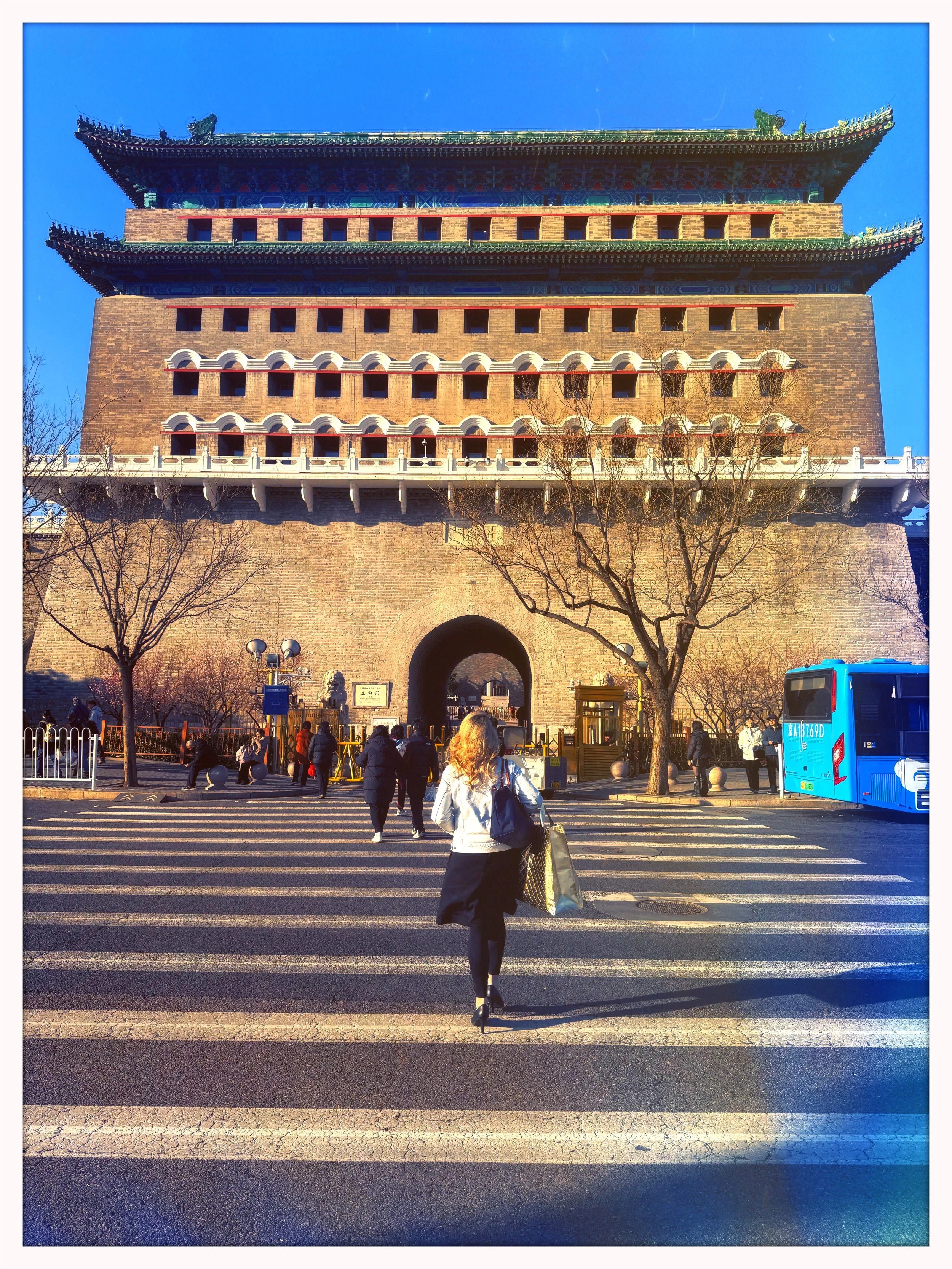
Qianmen